
Toxicity of 2,4-D-Dimethylammonium Based-Herbicide in Nile Tilapia (𝙊𝙧𝙚𝙤𝙘𝙝𝙧𝙤𝙢𝙞𝙨 𝙣𝙞𝙡𝙤𝙩𝙞𝙘𝙪𝙨)
Keywords:
2,4-D-dimethylammonium, herbicide, tilapia, : aquatic ecosystem, biological indicatorAbstract
Background and Objectives: 2,4-D-dimethylammonium is a widely used herbicide for controlling broadleaf weeds and sedges in aquatic environments. It is also utilized as a plant growth regulator in dicotyledonous crops to enhance crop productivity. In Thailand, it is one of the most extensively imported herbicides, ranking third among agricultural chemicals in terms of import volume. Owing to its widespread application, residues of 2,4-D-dimethylammonium are frequently detected in the environment, particularly in soil and surface waters. This study aimed to evaluate the toxicity of 2,4-D-dimethylammonium in Nile tilapia (Oreochromis niloticus), a freshwater fish species widely distributed throughout Thailand. Specifically, the study investigated acute toxicity, cumulative mortality, morphological alterations, oxidative stress responses, hematological changes, histopathological lesions in major organs, alterations in protein profiles, and acetylcholinesterase (AChE) activity and protein expression, which are recognized biomarkers of exposure to 2,4-D-dimethylammonium. The findings provide new insights into the toxicological mechanisms underlying 2,4-D-dimethylammonium-induced toxicity in Nile tilapia.
Methodology: Adult Nile tilapia weighing 150–200 g were used in this study. Acute toxicity was evaluated by exposing fish to five concentrations of 2,4-D-dimethylammonium (33.60, 42.00, 50.40, 58.80, and 67.20 mg/L), together with an untreated control group. Cumulative mortality was recorded at 24, 48, 72, and 96 h after exposure. The median lethal concentration (LC50) was estimated using probit analysis. To investigate sublethal toxicity, fish were exposed to a non-lethal concentration of 2,4-D-dimethylammonium for 28 days, and samples were collected on days 0, 7, 14, 21, and 28. Hematological parameters, including hemoglobin concentration, hematocrit, erythrocyte count, total leukocyte count, and differential leukocyte count, were determined to assess physiological and immunological responses. Morphological abnormalities were documented throughout the exposure period. Oxidative stress was evaluated by measuring the activities of the antioxidant enzymes: superoxide dismutase (SOD), catalase (CAT), and glutathione S-transferase (GST). Histopathological examinations of the gills, liver, intestine, and stomach were performed to assess tissue damage. In addition, protein profiles, acetylcholinesterase (AChE) activity, and AChE protein expression were analyzed using SDS-PAGE and Western blotting.
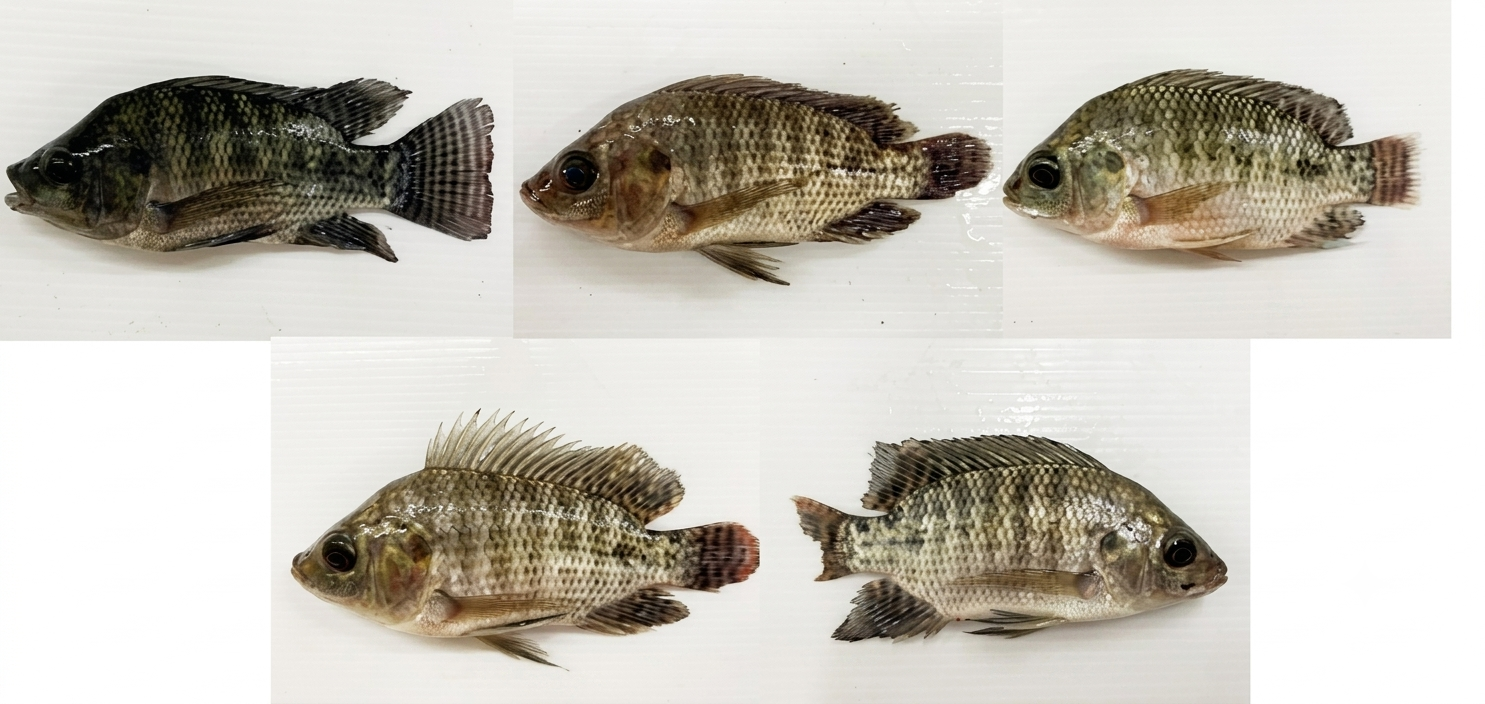
Main Results: The results demonstrated that cumulative mortality increased with increasing herbicide concentration and exposure duration. The highest exposure concentration (67.20 mg/L) resulted in 50% cumulative mortality after 96 h. Sublethal exposure induced progressive morphological abnormalities, including scale discoloration, fin base swelling, fin erosion, and hemorrhagic lesions, all of which became more severe with prolong exposure. Oxidative stress analysis revealed significant increases in SOD, CAT, and GST activities with increasing exposure times, demonstrating an elevated production of reactive oxygen species and activation of the antioxidant defense system. Hematological analysis showed significant reductions (p < 0.05) in hematocrit and eosinophil counts, suggesting physiological stress and impaired immune function. Histopathological alterations were evident from days 7–14 after exposure. Gill tissues exhibited epithelial hyperplasia and lamellar aneurism, whereas liver tissues showed hepatocellular vacuolation and degeneration. Intestinal tissues displayed microvillar lesions, epithelial damage, and villus swelling, while stomach tissues exhibited epithelial erosion. Protein profiling and biomarker analyses of muscle tissue further revealed progressive decreases in AChE activity, total protein levels, and AChE protein expression with prolonged exposure.
Conclusions: The findings demonstrate that exposure to 2,4-D-dimethylammonium adversely affects multiple physiological systems in Nile tilapia, including external morphology, hematological homeostasis, oxidative stress, tissue integrity, and cholinergic nervous system function. The observed hematological impairment, oxidative stress, histopathological damage, and suppression of AChE activity collectively demonstrate the systemic toxicity of this herbicide. This study highlights the ecological risks associated with 2,4-D-dimethylammonium contamination
in aquatic environments and underscores the need for responsible herbicide management, continuous monitoring of water quality, and the development of sustainable strategies to prevent chemical pollution. Collectively, this study provides valuable evidence for environmental risk assessment and advances scientific understanding of herbicide-induced toxicity in freshwater fish.
References
Aswani, V., & Trabucco, D. (2019). Biochemical adaptation in brain Acetylcholinesterase during acclimation to sub-lethal temperatures in the eurythermal fish Tilapia mossambica. Scientific Reports, 9, 19762. https://doi.org/10.1038/s41598-019-56066-x
Boonthawee, B., Poomongkutchai, J., Noosang, S., Khongchamdee, S., & Kenthao, P. (2021). Development and validation of an analytical method for detecting 2,4-D and MCPA pesticide residues in cereals. In Department of agriculture. (Ed.), Annual performance report fiscal year 2020: Agricultural Production Science Research and Development Division, (pp. 450-463). Bangkok: Department of Agriculture. (in Thai)
Cantawon, N., Kiatprasert, P., Prasatkaew, W., Mongkolvai, P., Nanthanawat, P., & Thanomsit, C. (2024). Effects of the herbicide 2, 4-D dimethylammonium on induction of vitellogenin synthesis in the plasma of Nile tilapia (Orechromis niloticus) and field study. Agriculture & Technology RMUTI Journal, 5(2), 83-98. (in Thai)
Cheikyula, J.Q., Odo, J.I., & Ikiebe, V.I. (2019). Histological changes in juveniles of African catfish (Clarias gariepinus) exposed to amino force® (2,4 d-dimethylammonium salt). Journal of Research in Forestry, Wildlife & Environment, 11(4), 107-112.
Fulton, M.H., & Key, P.B. (2001). Acetylcholinesterase inhibition in estuarine fish and invertebrates as an indicator of organophosphorus insecticide exposure and effects. Environmental Toxicology and Chemistry, 20(1), 37–45. https://doi.org/10.1002/etc.5620200104
Hamisu, Y., Auta, J., & Bawa, B. (2024). Toxicity of the herbicide 2,4-d dimethyl amine salt on behavioral, histological and oxidative stress biomarkers of African catfish Clarias gariepinus (Burchell, 1822) fingerlings. FUDMA Journal of Sciences, 8(6), 177-185. https://doi.org/10.33003/fjs-2024-0806-2958
Khanchanasal, P., Nuankaew, C., Saowakoon, S., Nanuam, J., Nanthanawat, P., & Thanomsit, C. (2022). Toxicity Level of 2, 4-D Dimethylammonium in Nile tilapia and Acetylcholinesterase (AChE) Expression (Biomarker) to identify exposure in sub-lethal concentration. Burapha Science Journal, 27(2), 1278-1299. (in Thai) https://li05.tci-thaijo.org/index.php/buuscij/article/view/1279
Kumla, S., Nanthanawat, P., Nanuam, J., Kiatprasert, P., Wattanakornsiri, A., & Thanomsit, C. (2025). 2,4-D dimethylammonium toxicity in hybrid catfish: Acetylcholinesterase gene, hematology and histology. Environmental Toxicology and Pharmacology, 120, 2025. https://doi.org/10.1016/j.etap.2025.104867
Marchesan, E., Sartori, G.M.S., Avila, L.A., Machado, S.L.O., Zanella, R., Primel, E.G., Macedo, V.R.M., & Marchezan, M.G. (2010). Resíduos de agrotóxicos na água de rios da Depressão Central do Estado do Rio Grande do Sul, Brasil. Ciência Rural, 40(5), 1053–1059.https://doi.org/10.1590/S0103-84782010005000078
Menéndez- Helman, R.J., Ferreyroa, G.V., dos Santos Afonso, M., & Salibián, A. (2012). Glyphosate as an acetylcholinesterase inhibitor in Cnesterodon decemmaculatus. Bulletin of Environmental Contamination and Toxicology, 88, 6-9. https://doi.org/10.1007/s00128-011-0423-8
Mongkhonwuttikun, P., & Sueppandee, I. (2021). Method validation for determination of the active ingredients of 2,4-D-dimethylammonium in pesticide products. In Department of agriculture. (Ed.), Annual performance report fiscal year 2020: Agricultural production science research and development division, (pp. 603-609). Bangkok: Department of Agriculture. (in Thai)
OECD. (2019). Test No. 203: Fish, Acute Toxicity Test, OECD Guidelines for the Testing of Chemicals, Section 2, OECD Publishing, Paris, https://doi.org/10.1787/9789264069961-en
Oruç, E. O., Sevgiler, Y., & Uner, N. (2004). Tissue-specific oxidative stress responses in fish exposed to 2,4-D and azinphosmethyl. Comparative Biochemistry and Physiology Part C: Toxicology & Pharmacology, 137(1), 43-51. https://doi.org/10.1016/j.cca.2003.11.006
Pan, J., He, H., Su, Y., Zheng, G., Wu. J., Liu, S., & Rao, P. (2016). GST-TAT-SOD: Cell-permeable bifunctional antioxidant enzyme-A potential selective radioprotector. Oxidative Medicine Cellular Longevity, 2016, 5935080. https://doi.org/10.1155/2016/5935080
Ramesh, M., Anitha, S., Poopal, R.K., & Shobana, C. (2018). Evaluation of acute and sublethal effects of chloroquine (C18H26CIN3) on certain enzymological and histopathological biomarker responses of a freshwater fish Cyprinus carpio. Toxicology Reports, 5, 18-27. https://doi.org/10.1016/j.toxrep.2017.11.006
Simões, L.N., Paiva, G., & Gomes, L. de C. (2010). Clove oil as an anesthetic on Nile tilapia adults. Pesquisa Agropecuaria Brasileira Journal, 45(12), 1472–1477. https://doi.org/10.1590/S0100-204X2010001200019
Sinha, D.K., Gour, J.K., Singh, M.K., & Nigam, A.K., (2022). Effect of pesticides on hematological parameters of fish: recent updates. Journal of Scientific Research, 66(01), 269-283. https://doi.org/10.37398/jsr.2022.660129.
Thanomsit, C., Sawakoon, S., Wattanakornsiri, A., Nanuam, J., Prasatkaew, W., Nanthanawate, P., Monkolvai, P., & Chalorcharoenying, W. (2020). Glyphosate (Roundup): Fate in Aquatic Environment, Adverse Effect and Toxicity Assessment in Aquatic organisms. Naresuan University Journal: Science and Technology, 28(1), 65-81.
Thanomsit, C., Kumla, S., Mongkolvai, P., Chartchumni, B., Wattanakornsiri, A., Nongnutch, K., Nanuam, J., Prasatkaew, W., & Nanthanawat, P. (2025). Toxicity testing, hematological alterations, and acetylcholinesterase expression on Barbonymus gonionotus (Bleeker, 1849) exposed to glyphosate-based herbicide. AACL Bioflux, 18(6), 2952-2965.
Wongchan, B., Rakkaew, K., Jandee, N., Kiatprasert, P., Kumla, S., & Thanomsit, C. (2025). Toxicity of glufosinate-ammonium herbicide in giant freshwater prawn (Macrobrachium rosenbergii).
Burapha Science Journal, 30(3), 795-816. (in Thai) https://li05.tci-thaijo.org/index.php/buuscij/article/view/746
Downloads
Published
How to Cite
Issue
Section
License
Copyright (c) 2026 Faculty of Science, Burapha University

This work is licensed under a Creative Commons Attribution-NonCommercial-NoDerivatives 4.0 International License.
Burapha Science Journal is licensed under a Creative Commons Attribution-NonCommercial-NoDerivatives 4.0 International (CC BY-NC-ND 4.0) licence, unless otherwise stated. Please read our Policies page for more information